Latest Posts

blood orange salmon

Blood Orange salmon

Fast, simple, light and delicious. This recipe makes a weekday dinner without much hassle.

Serves 2

  • 2 salmon steaks
  • 2 Tbsp soy sauce
  • zest of 1 blood orange
  • 3 Tbsp mirin
  • 3/4 cup blood orange juice
  • 1 clove garlic, minced
  • 1 Tbsp very finely grated fresh ginger root
  • freshly ground black pepper

Combine orange juice, zest, mirin, garlic and ginger in a large food container. Rinse and pat dry the salmon with a a paper towel. Place the salmon steaks in the marinade and allow to coat for 10 minutes each side.

Preheat a large heavy  nonstick skillet over high heat for 3 minutes. Remove the salmon from the marinade, place it on skillet and cook for 1 minute. Add the soy sauce, turn the steaks over, pour the marinade over the steaks, dicrease the heat to low-medium and let simmer for about 8 minutes. Turn the steaks once more, increase the heat to medium-high and let simmer for another 3-4 minutes.

Serve over steamed rice or mashed potatoes or/and a green salad.

Stereotypes and tyrokafteri

What can I say.. there is truth in the stereotypes. Lunch in the countryside, with friends and children running around. We spent the weekend in a house with garden, and had visitors for lunch on Saturday. To be honest they brought most of the food. We just prepared the tyrokafteri (a spicy feta cheese spread) with feta from Stratoula, a local producer, originally from Epirus who ended up in Anavyssos (both very good credentials for a feta producer!), and small chillies from the garden. We had every good intention to prepare also a horiatiki salad with watermelon (the first of the season that we bought in the local open market), but we skipped it and had it the following day for dinner. (Stay tunned, the recipe will follow soon…)

lav3

On Sunday we strolled in Lavrio, a small port with a very long mining history. We had ouzo and the typical mezes’ that go with it: octapus, marinated anchovies (gavros), fried red mullets (koutsomoures),grilled sardines and some delicious boiled greens (almyra). We gave the establishment an 8 out of 10 and promised to return.

lav1

lav2

On our way back we tanked in a station that had a small mineral collection on display. In other places you would expect a selection of local marmalades, but Lavrio’s mines  date as far back as 3200BC. Its minerals financed Plato and Aristoteles, and are now on display in the local tank station!

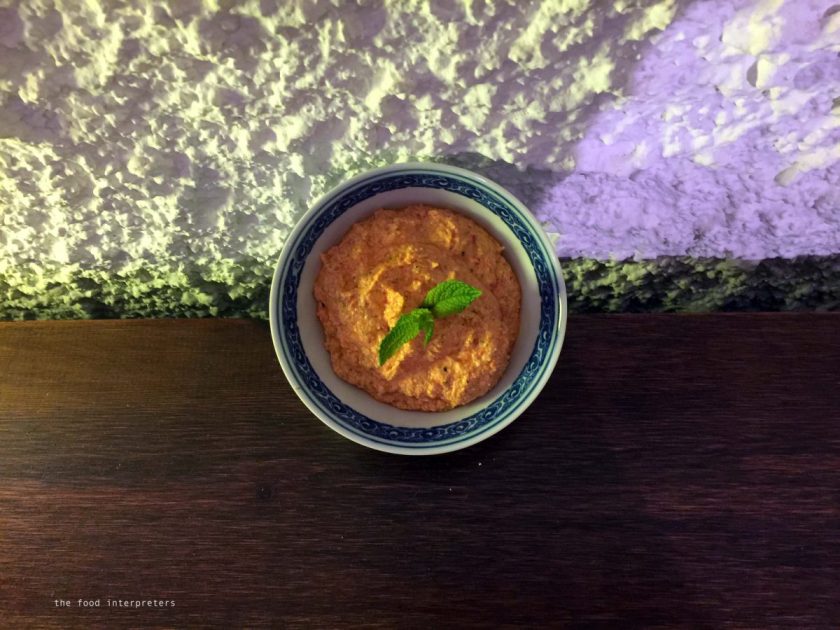
And here comes our tyrokafteri recipe.

Spicy feta cheese spread (Tyrokafteri)

tyr1

Serves 8 as a meze.

  • 500g feta cheese, crumbled
  • 2 Tbsp greek strained yogurt
  • 1/2-1 tsp dried chilli flakes (depending on your spice tolerance)
  • 1 red bell pepper, roughly chopped
  • 6 Tbsp olive oil
  • 1 Tbsp fresh mint, finely chopped (optional)

Heat the olive oil in a  saucepan over high heat. Add the chilli flakes and the red bell pepper and cook stirring regularly for about 6-8 minutes, until the pepper is very soft and golden brown.

Put the crumbled feta cheese, yogurt, mint (if using), and the content of the pan in a mini food processor and blend until everything is well combined and smooth.

If the feta cheese you  are using is to salty, you might want to add some more yogurt.

Place in refrigerator for at least two hours before serving so flavours can blend.

Serve with fresh sourdough bread and crisp fresh vegetables.

semolina and strawberry tart

Semolina and Strawberry Tart

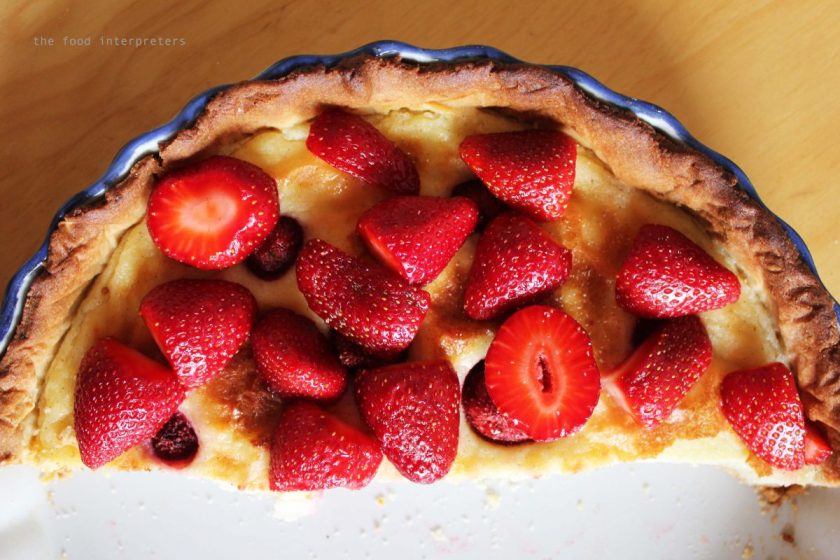
We deviated from our standard strawberry tart recipe and baked this for our easter lunch. It is an interesting hybrid  between the classic tart and the greek galaktoboureko and great when eaten same day. We kept some in the fridge for the next day, but the baked filling turned too solid. The moral of the story is, bake it for same day consumption.

(Based on a recipe from Ottolenghi “The Cookbook”)

For the sweet pastry

  • 330g plain flour
  • 100g icing sugar
  • zest of 1 lemon, finely grated
  • 1/4 tsp salt
  • 180g cold unsalted butter
  • 1 egg yolk
  • 2 Tbsp cold water

For the filling

  • 345ml milk
  • 180ml whipping cream
  • 60g caster sugar
  • 80g butter
  • 1/2 vanilla pod, split lengthwise and seeds scrapped out
  • 60g semolina
  • 1 egg
  • 200g strawberries
  • icing sugar, to garnish

For the sweet pastry, combine flour, sugar, salt,lemon zest and the butter in a mixer fitted with the paddle attachment until the mixture resembles breadcrumbs. Change to the hook attachment and add the egg yolk and the cold water. Continue mixing  until dough comes together to form a ball. If necessary add a tiny amount of extra water.Turn the mixture out onto a plastic wrap and shape into a disc. Refrigerate for 30 minutes or until needed. The pastry will keep in the refrigerator for a week and about a month in the freezer.

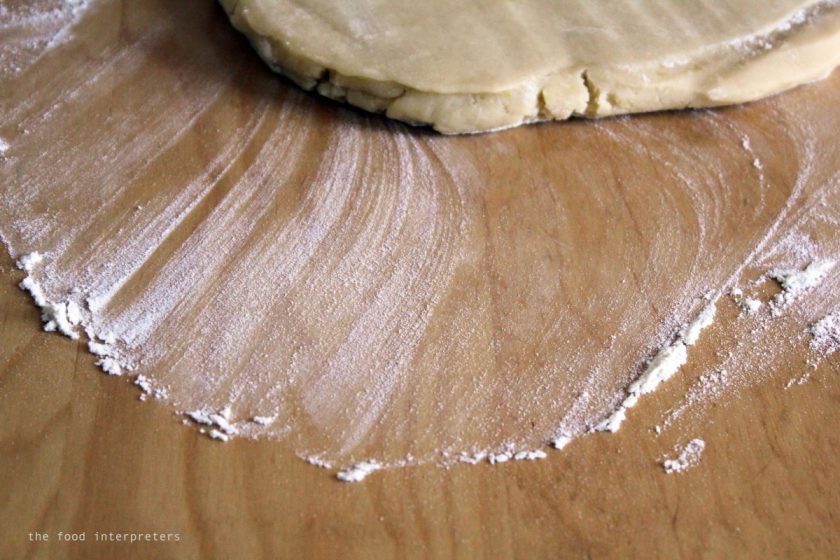
sweet pastry

sweet pastry

Remove the pastry from the refrigerator and roll out on a lightly floured surface until approximately 3mm thick.

Butter a 24cm tart tin (with removable bottom, if you have one) and line with the pastry, making sure to press into the sides and trim the excess with a sharp knife.*Patch up any holes with excess pastry if necessary. Prick all over the base of the tart with a fork and refrigerate for 30 minutes.

Preheat the oven to 170C.

Cut a large circle of baking parchment and scrunch it  up a couple of times. Lay it over the pastry base, fill with beans or coins and bake for approximately 15 minutes or until it is very light brown. Remove the beans or coins and parchment and return to the oven for about 5 minutes.

Remove from the oven and set aside to cool.

For the semolina filling, combine milk, whipping cream, vanilla bean and seeds,butter and sugar in a saucepan. Bring to the boil and let it simmer as you gently whisk in the semolina. Continue whisking until the mixture comes back to the boil and thickens. Remove from the heat, remove the vanilla pod and whisk in the egg.

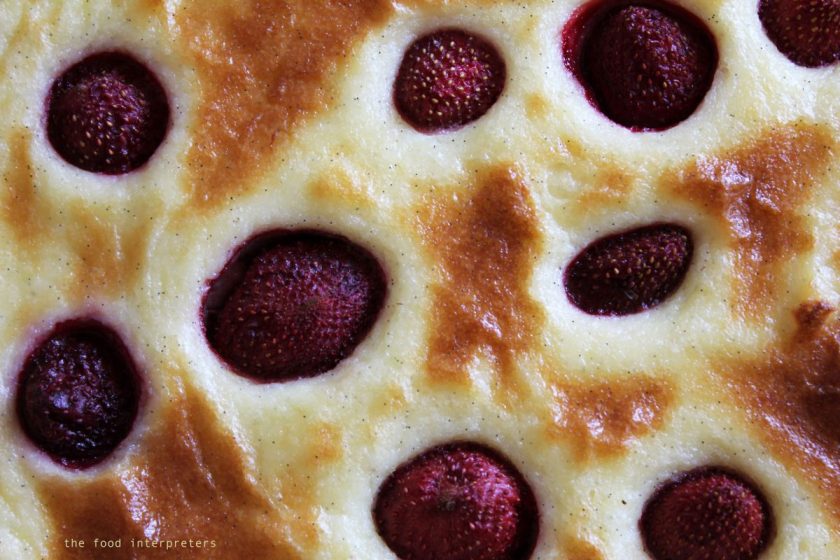
Pour the semolina mixture into the pastry case and push half the strawberries inside, allowing them to show on the surface.

Bake for about 20 minutes or until the filling is slightly golden. Remove from the oven and allow to cool before removing from the tart tin.

semolina and strawberry tart

semolina and strawberry tart

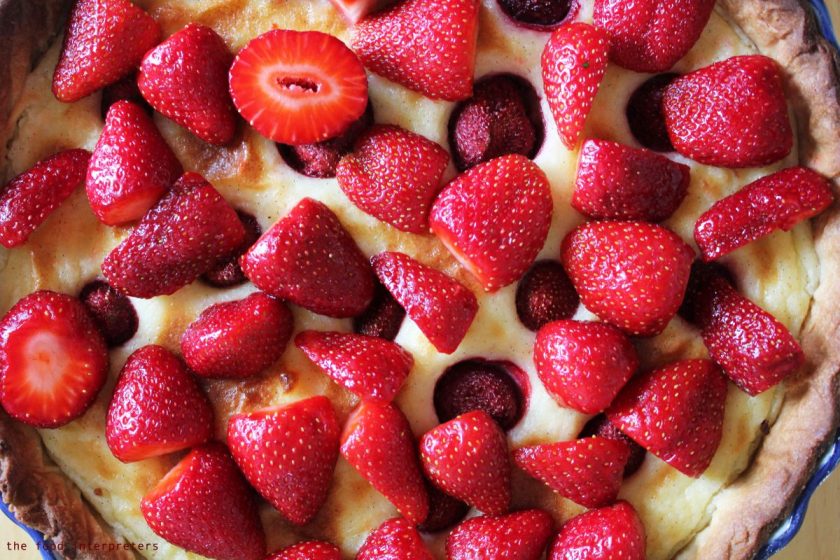
Serve with the remaining strawberries and a dusting of icing sugar.

semolina and strawberry tart

semolina and strawberry tart

* I usually store the leftover dough in a plastic wrap in the freezer for later use.


Not all recipes are a success

Not all recipes we try for the blog succeed. Some might seem a good idea for a post, but after  repeated tries we might declare defeat, to much regret of the other food interpreter. The spectrum of abandoned recipes ranges from the disgusting  to the blunt. The disgusting are an obvious choice to drop- but the blunt? We always feel that we did something not  quite right – perhaps next time we will change the measures a little and it will succeed. Fact is, you know quite early if the recipe has a chance or not. Of course we end up eating the blunt; at least the ingredients are of a good quality, and we have a topic to discuss over dinner.

And then there are the photos. We end up with a stock of photos we like for recipes we do not (the opposite is also often the case). Uploading the finished dish will not do – but why not the tomatoes, onions, eggs and peppers?

pepers1

onions1

eggs1

Spicy Shrimps and feta gratin

This is a recipe of my mother in law, who is an opiniated cook. When she cooks anything from the tradition of Smyrna she keeps to the letter of family recipes; there is only one way to prepare soutzoukakia or imam. Deviations are not acceptable: ‘why do the call it soutzoukakia if they add bread in the minced meat?’ There is always a hint of discredit in quotes like that.

When the obligation of tradition does not apply, she lets her taste of spicy and well defined flavours prevail, as I hope you will find out in the following recipe.

  •  500g shrimps shelled and deveined (fresh or frozen)
  • 1 medium onion (about 120g), finely chopped
  • 4 Tbsp olive oil
  • 1/2 tsp dried chilli flakes
  • 6 Tbsp parsley, finely chopped ( plus 1 Tbsp for the garnish)
  • 1 tsp mustard powder
  • 2 garlic cloves, finely chopped
  • 1/2 cup dry white wine
  • 1 tsp brown sugar
  • 1,5 cup feta, crumbled
shrFe2

shrimps and feta gratin

Serves 4 as a starter or 2 as a main dish.

Preheat the oven to 200ºC.

Heat 2 Tbsp of the olive oil in a  saucepan over medium heat. Add the onion and the chilli flakes and cook stirring regularly for about 5-8 minutes, until the onion is soft and lightly golden.

Add the parsley, the mustard powder and the garlic and stir well for about 1 minute.

Add the wine, the sugar, the 2 Tbsp of the olive oil and gently simmer for 3-4 minutes.

Arrange the shrimps in a baking dish large enough to fit them tightly in one layer. Spread the onion mixture on top and bake for ten minutes.

Sprinkle the crumbled feta over the shrimps and bake for another 10 minutes until the gratin has a nice golden colour.

Garnish with 1 Tbsp finely chopped parsley and serve warm with  fresh sourdough bread and a green salad on the side.


Lemon and Pistachio Cake

As we learned from “The Land where Lemons Grow” by Helena Attlee, lemons reached Europe with the Arabs when they invaded Sicily in AD 831. They were first grown in the protective environment of pleasure gardens until the Arabs built a new irrigation system, combining practices from the Islamic (water-challenged) territories in Egypt, Yemen, Mesopotamia and the Levant with the classical Roman water management  infrastructure that they repaired and extended.

As for the Romans, not only did they build aqueducts, dams and conduits, they also introduced pistachio cultivation in Europe around AD 35. Until then it was grown in the Levant and Iraq – even in the handing gardens of Babylon during the reign of Merodach-Baladan, the king who fought the Assyrians and sent Hezekiah letters of concern because of his illness. (We can think of him dictating the letters to his scribes among the pistachio trees during a babylonian afternoon).

So both the basic ingredients of this cake were brought to Europe from the near east – were they were introduced from central and southern Asia. The moral is that you should not take the delicate flavours of this cake for granted. It was a long way for lemons and pistachios to reach your oven!

cake1

Serves 8-10

  • 50g ground unsalted and shelled pistachios
  • 280g all purpose flour, sifted (plus 1 handful for dusting the tin)
  • 1 very heaped tsp baking powder
  • 1/2 tsp salt
  • 250g unsalted butter (plus 1 Tbsp butter for greasing the tin)
  • 180g  caster sugar
  • 4 eggs
  • 3 tsp lemon zest
  • 4 Tbsp (1/2cup) fresh lemon juice
  • seeds from 1/2 vanilla pod
  • icing sugar for dusting

Preheat the oven to 180ºC.

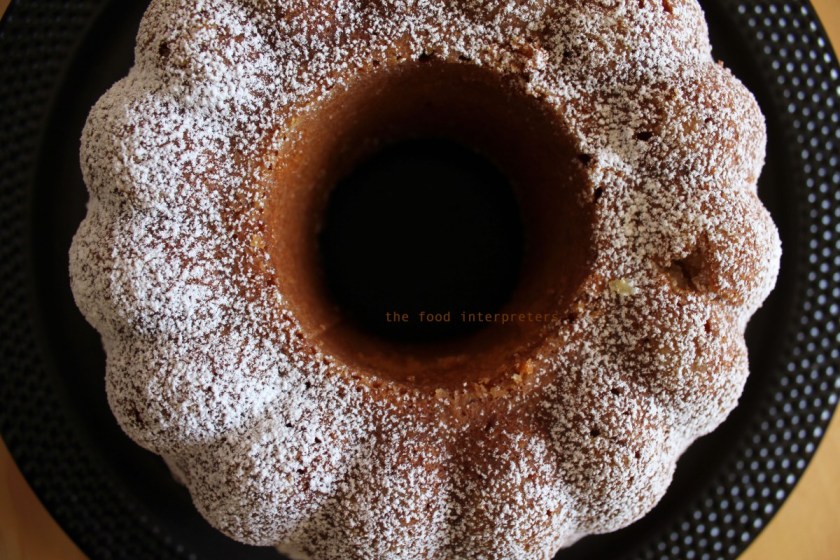
Use a pastry brush and 1 Tbsp melted butter to grease the cake tin really well. Take a small handful or spoonful of flour and dust lightly around the inside of the greased tin. Turn upside down over your kitchen sink and knock gently to remove any excess flour. This time I used a bundt cake tin. If you use a loaf tin you should also line its base with parchment paper.

Combine the butter and caster sugar in a mixer fitted with the whisk attachment until light and creamy.

Add the eggs, one at a time, beating well after each addition.

Add the vanilla seeds, lemon zest and lemon juice and combine. (At this point the mixture will probably look a little bit curdled. Don’t worry it will improve when you fold in the dry ingredients.)

Mix together the sifted flour, baking powder, salt and ground pistachios and carefully fold into the egg mixture.

To prevent the formation of air bubbles, spoon the batter into the tin somewhat slowly. To release any bubbles that may have developed, tap the tin gently on a work surface.

Bake for about 35 minutes or until a knife inserted in the thickest part of the cake comes out clean.

Transfer the pan to a wire rack and let the cake cool in the tin for 15 minutes. Then tap the tin firmly a few times and shake it gently to help loosen the cake. Invert the tin onto the rack, lift it off and let the cake continue to cool on the rack.

Use a fine-mesh sieve or flour sifter to dust the cake with icing sugar just before serving, as the sugar tends to melt into the cake as it sits.

Enjoy with a cup of coffee!

cake2

Lemon Tart

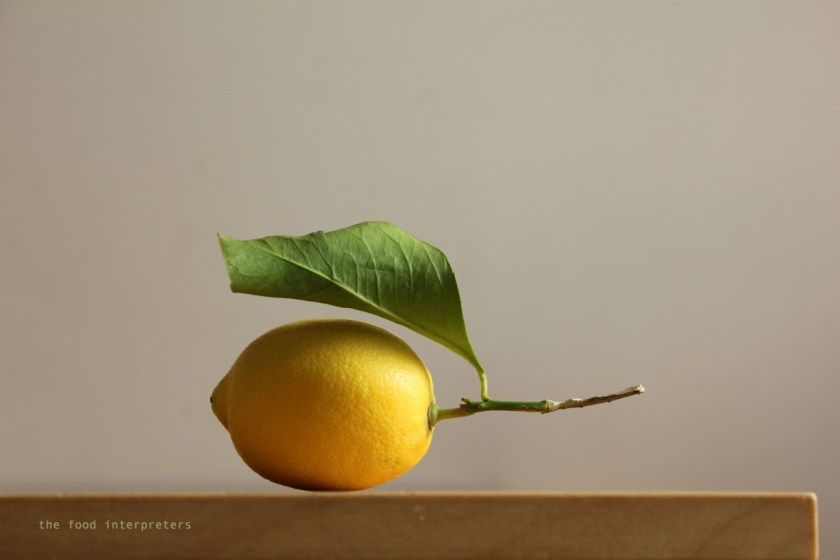
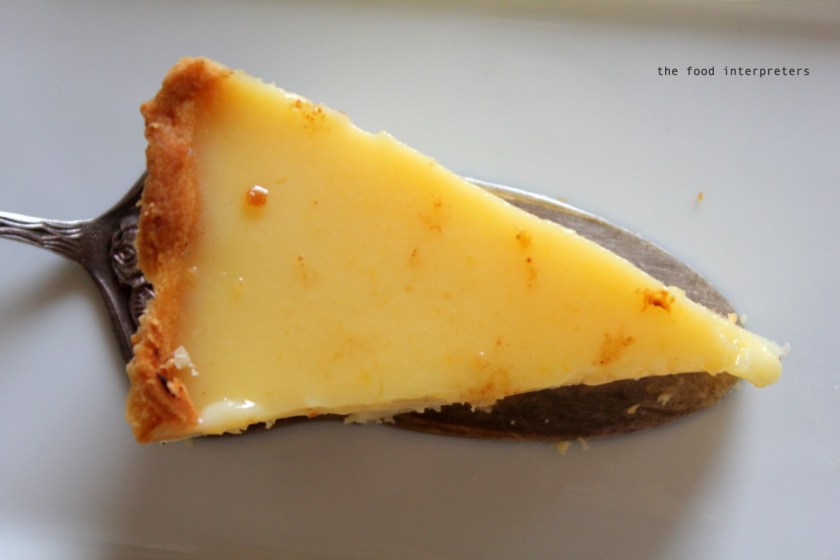
The lemon tree in our garden is full of fruit right now and it is a challenge to make good use of the crop. We use a lot of lemon juice in our everyday cooking,we preserve lemons- stay tuned  for some really good recipes-, we freeze lemon juice ice cubes that keep for several months, and we bake. We are always trying out new recipes and after exhaustive research our preferences are a lemon cake and this rather rich Heston Blumenthal lemon tart for special occasions. Our advice? If you do not have a forthcoming special occasion, improvise one and bake this tart!

Serves 10-12

For the pastry

  • 300g Plain flour 
  • 150g Unsalted butter
  • 120g Icing sugar
  • 1/2 tsp Salt
  • 3 Large egg yolks 
  • Zest of 1/2 lemon, finely grated
  • Seeds from 1/2 vanilla pod
  • 1 egg for the egg wash

For the filling

  • Finely grated zest and juice of 5 lemons 
  • 390g White caster sugar
  • 300g Double cream
  • 9 large eggs and 1 large egg yolk

To finish and serve

  • 80g Unrefined caster sugar
  • Creme fraiche

For the pastry, blitz together the egg yolks and icing sugar in a tall container with a stick blender.

Combine flour, butter and salt in a mixer fitted with the paddle attachment until the mixture resembles very fine breadcrumbs (approximately 2-3 minutes).

Add the lemon zest and vanilla seeds, then add the egg yolk mixture and combine on low speed until fully combined and a very soft dough has formed (approximately 3-5 minutes).

Turn the dough out onto a plastic wrap and shape into a flat disc. Refrigerate for at least 1 hour.

Place the pastry between two sheets of baking parchment, roll out to a thickness of 2mm and refrigerate for 30 minutes.

Pre-heat the oven to 180°C.

Butter a 24cm tart tin (2cm deep), line with the pastry and gently push it into the base and edges, allowing the excess to hang by 1cm over the sides. Reserve a little dough for the egg wash.

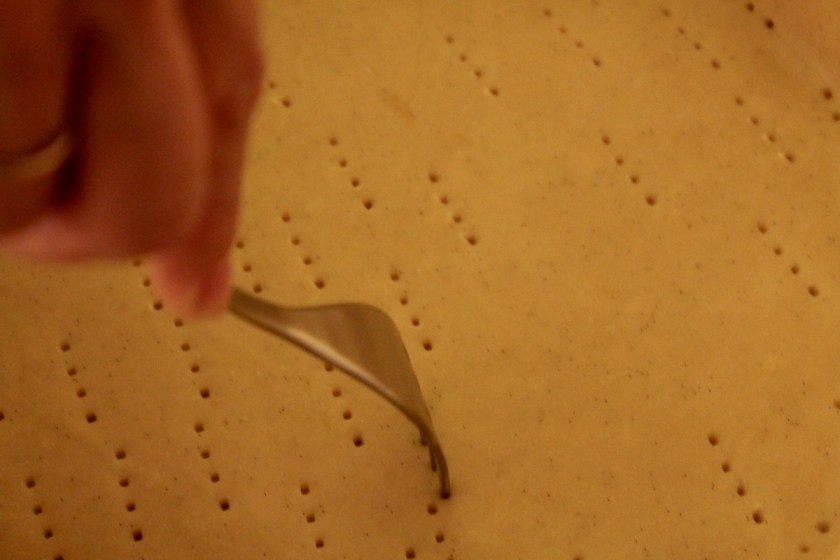
Prick all over the base of the tart with a fork and and freeze for 10 minutes. (If the tart tin doesn’t fit in your freezer, refrigerate for 30 minutes).
File_000

Pre-heat the oven to 180°C.

In the meantime, mix some of the leftover dough with the egg using a blender.

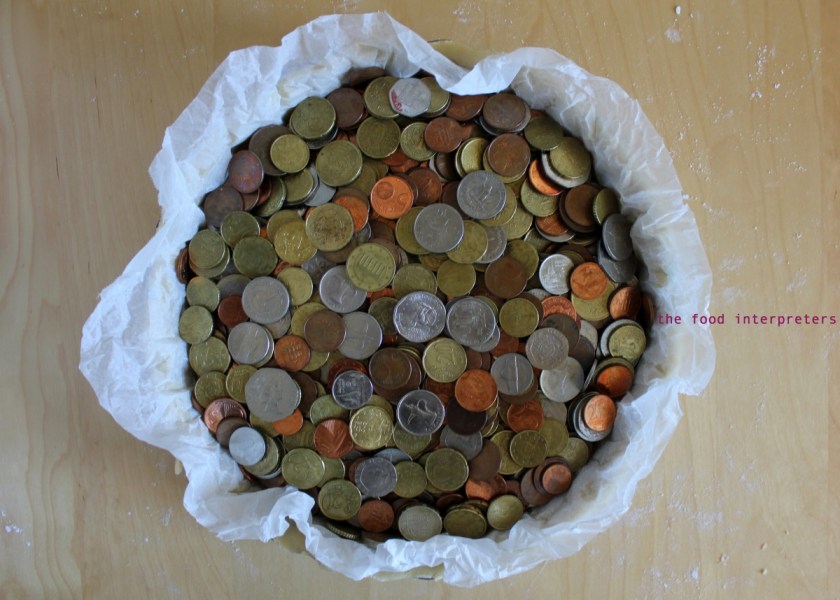
Cut a large circle of baking parchment and scrunch it  up a couple of times. Lay it over the pastry base, fill with beans or coins and bake for approximately 20 minutes before removing the beans or coins and parchment.
IMG_409

Brush the entire surface of the pastry case with the dough and egg mixture, using a pastry brush. This will ensure that any holes will be sealed.

Return the pastry case  to the oven and bake for a further 5-7 minutes.

Remove the tart tin from the oven, let cool a little and then, using a sharp knife, cut the excess pastry from around the top of the tart tin.

Leave to cool completely.

When ready to bake, pre-heat the oven to 120°C, and place the baked pastry case in the oven to warm up.

Place all the filling ingredients into a heatproof bowl and mix together using a spatula. Place the bowl over a saucepan of simmering water and allow to warm up until the temperature reaches 62°C.

Strain the mixture through a fine sieve into a jug. With a metal spoon, remove the bubbles from the surface of the liquid.

Slide the oven rack out a bit, pour the mixture into the warm pastry case inside the oven.

Fill the case to the top, slide the rack carefully back in, and bake the tart for approximately 25 minutes until the temperature of the filling reaches 70°C.

Allow to cool completely at room temperature.

When ready to serve, sprinkle over the caster sugar and caramelise with a blow torch.
lemon7


Where lemons grow

“Do you know the land where the lemon-trees grow,
In darkened leaves the gold-oranges glow,
A soft wind blows from the pure blue sky,
The myrtle stands mute, and the bay tree high?
Do you know it well?
It’s there I’d be gone,
To be there with you, O, my beloved one!”

I know of a German girl who dreamed of the south because of those verses of Goethe, as her father read them to put her to sleep.

“The land where lemons grow” is also the title of a book of Helena Attlee about citrus crops in Italy. It opens up a fascinating historical, cultural and economic perspective of Italy, and once you read it, it becomes an essential travel companion in the citrus producing areas of the country.

lemon1

The truth is that in the Mediterranean we take the citrus trees (lemons, oranges, mandarins, sour oranges, grapefruits or citruses) for given. The road in front of our door is lined up with sour oranges (that fill the air in spring with their unmistakable scent, covering the most banal everyday); our fields produce different orange and mandarin varieties almost throughout autumn, winter and spring; on Naxos, the island  where we spend the summer, two citrus liqueur varieties are produced: one from the leaves, the other from the fruit.

In our garden a lemon tree yields a very pressing crop during winter. It’s a challenge to consume all that fruit, and a pity to waste it. We use the juice to make lemon ice cubes that hold for several months in the freezer and every year we search for something new to make good use of the lemons: last year preserved lemons were en vogue.  This year it’s lemon pies. After several trials, we can attest the supremacy of this recipe of Blumenthal. As always, it’s not for the fainthearted, but worth the effort.

lemon11

Rolling fresh spring rolls

We wanted to prepare some fresh spring rolls some time now. The recipe we tried came with good credentials, although it deviated somehow from more purists’ approaches. To be honest, the result was a disaster from any aspect. We even had to discard the dipping sauce, much to our regret since we tend to reuse any left-overs.

sproll3

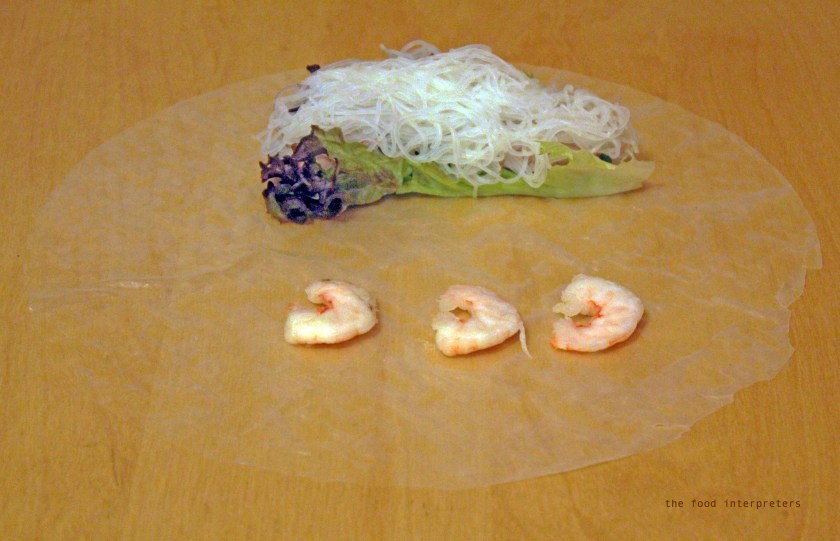
The most interesting part was the rolling of the rolls.

sproll5